Keyholding and alarm response is a contract where a security company keeps a set of keys to your premises and sends a licensed officer whenever the building needs to be opened, locked or checked.
Key holding services tend to go on the agenda after one bad night. The alarm company rings a director or site manager, who drives to a dark building alone with no idea whether anyone is inside. Under the Management of Health and Safety at Work Regulations, HSE expects employers to manage the risks to people who work alone, and an untrained colleague answering an alarm with no backup is a hard risk to control.
Passing the job to Fortico takes that call off your rota. Your alarm company or monitoring centre rings our 24/7 control room instead of your team. An officer attends with your keys, assesses the building inside and out, secures it and liaises with the police where that is needed. You hear what happened from a report, not a shaken colleague.
There is a compliance angle too. If your intruder alarm has police response, the NPCC policy adopted by police forces in England, Wales and Northern Ireland requires at least two keyholders who are trained to operate the alarm, reachable by phone, able to travel at any hour and able to attend within a set time. A key safe is not accepted as a substitute. If keyholders fail to attend when asked on two occasions in a rolling 12 month period, police response can be withdrawn for three months. Your insurer or alarm company may set keyholder conditions of its own.
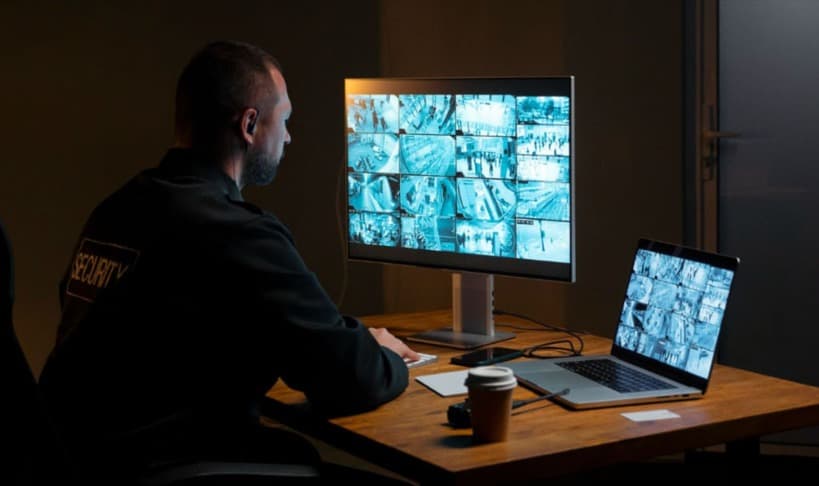
Keyholding rarely sits on its own. It is often linked to remote CCTV monitoring, so an activation can be checked on camera before anyone travels, and to mobile patrols for lock-up checks through the night. For buildings standing empty, it forms part of vacant property security.